Kitchen Extract & Ductwork Cleaning in Bristol
We provide kitchen extract and duct cleaning for various sized kitchens across Bristol. We plan around your service times and access, covering canopies and filters to ductwork and fans.
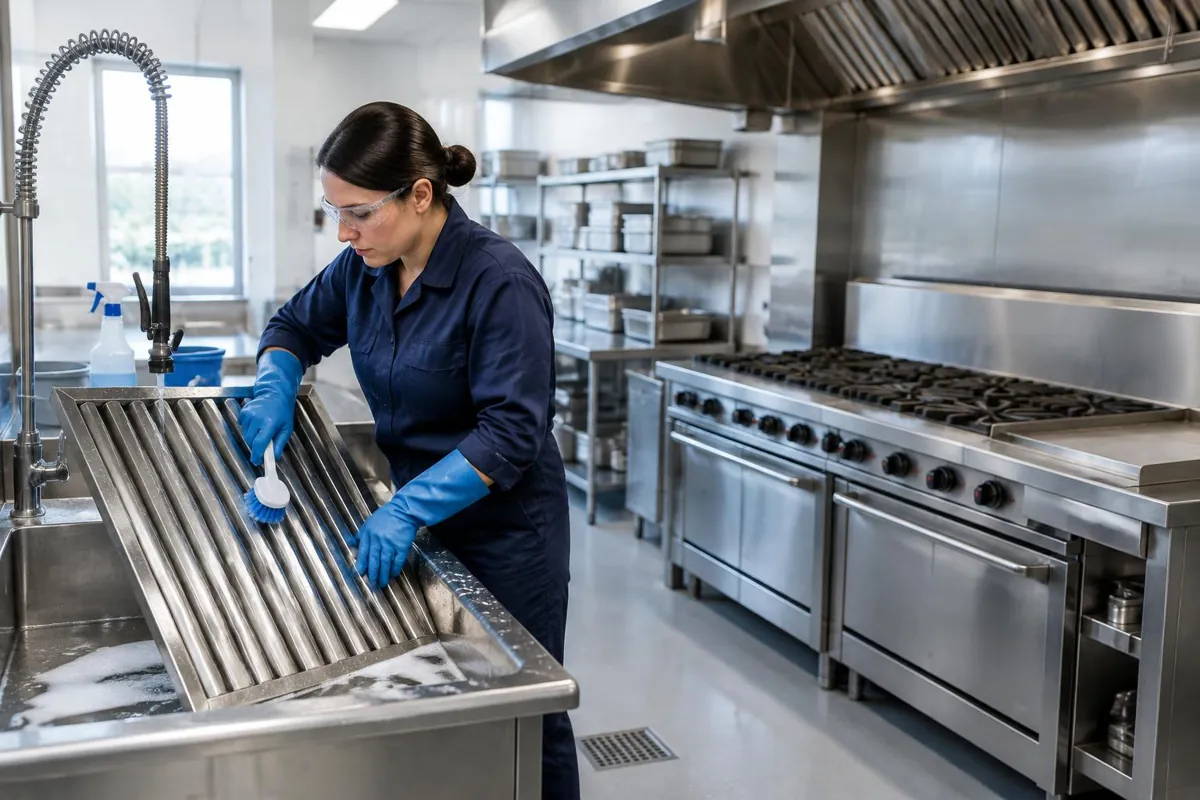
Our Kitchen Extract & Duct Cleaning Service
- System
- Grease extraction assessed separately from general ventilation
- Access
- Duct openings and fan location determine reach
- Shutdown
- Cooking and equipment isolation planned beforehand
- Records
- Reporting requirements agreed in advance
- TR19
- Any stated scope must be evidenced and bounded
- Limitations
- Cleaning is not system repair or fire certification
What does kitchen extract cleaning in Bristol cover?
Kitchen extract cleaning enquiries in Bristol should identify the canopy, grease filters, plenum, ductwork and fan as separate components. Extractor hood cleaning alone does not describe the whole system. The proposed specification must say what can be reached, what will be cleaned and which hidden or inaccessible sections remain outside the agreed work.
Begin with a system sketch, available drawings and photographs of inspection openings. Do not treat wiping the canopy face or washing removable filters as evidence that the downstream ductwork has been cleaned.
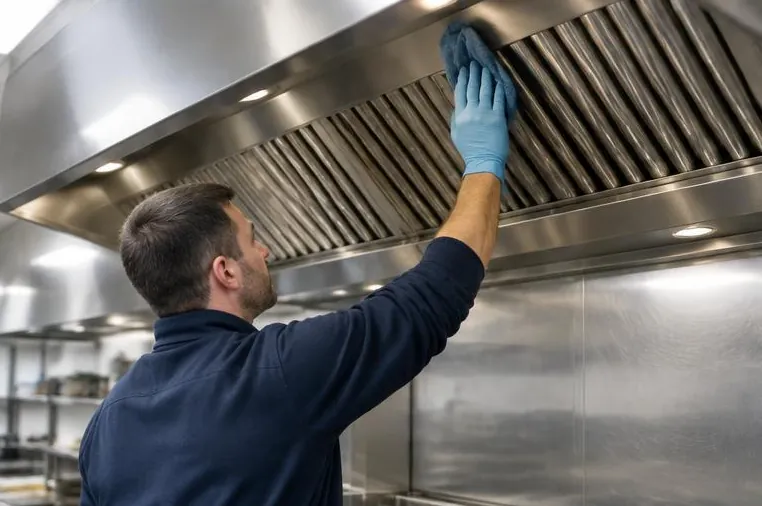
Typical tasks
- Canopy faces and accessible internal surfaces
- Removable grease filters where suitable
- Accessible plenum and defined duct sections
- Fan surfaces only within an assessed scope
Free site survey
Discuss your extraction scope
Share your system drawings, previous reports and kitchen shutdown window to discuss a clearly bounded extraction-cleaning enquiry.
- Written specification before any price
- Bristol and South Gloucestershire
How should kitchen shutdown and contractor access be arranged?
A late closing time does not automatically provide a usable working window. Ventilation serving other occupied spaces must not be isolated casually simply because one kitchen is closed for the night.
- Agree the responsible isolation contact
- Remove or protect food and utensils
- Book keys, plant access and loading
- Allow time for safe handback checks
Closed kitchen window
Defined canopy and extraction scope
Best forInclude cooldown and isolation
Planned maintenance shutdown
Hard-to-reach components
Best forCoordinate with relevant technical contractors
Review inspection
Deposit and access assessment
Best forUse findings to revisit the programme
Compare in a table
| Window or zone | Focus | Planning point |
|---|---|---|
| Closed kitchen window | Defined canopy and extraction scope | Include cooldown and isolation |
| Planned maintenance shutdown | Hard-to-reach components | Coordinate with relevant technical contractors |
| Review inspection | Deposit and access assessment | Use findings to revisit the programme |
How do duct access and component care affect the method?
Ductwork cleaning depends on the physical route, access openings and component condition, not only the kitchen floor area. Cleaning methods should suit the metalwork, seals and equipment instructions. New access panels, electrical disconnection or fan repairs are separate technical tasks requiring appropriate arrangements rather than assumed additions to a general cleaning visit.
Grease deposits can collect beyond bends, changes of section and inaccessible risers. Ventilation and duct cleaning for ordinary air supply systems needs a different assessment from grease-laden kitchen extraction.
- Map bends, risers and inspection openings
- Check equipment care and dismantling limits
- Protect controls and nearby electrical items
- Record unreachable sections and proposed next actions
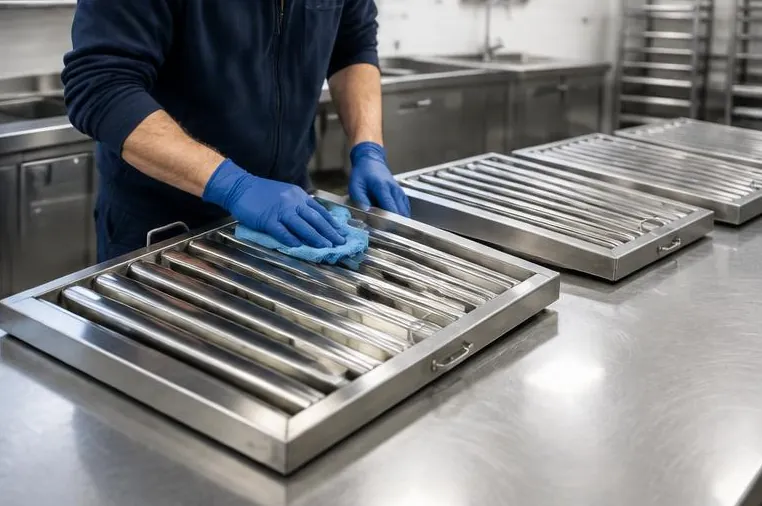
What does a TR19-related report mean for fire and insurance duties?
Any proposed TR19 Grease scope and documentation should be agreed against the applicable guidance, inspection findings and actual work undertaken. Referencing TR19 is not accreditation, a blanket fire-compliance guarantee or proof of insurer acceptance. The responsible person still needs to consider the fire risk assessment, maintenance duties and any specific policy conditions.
Before commissioning work, ask what measurements, photographs, access records and completion documentation are included, and who will provide them. If a certificate is requested, establish its basis and limitations first; the document title cannot compensate for inaccessible ductwork or evidence that was never collected during the visit.
Agree the applicable reporting specification
Identify before-and-after evidence required
Record exclusions and remaining deposits
Check policy requirements with the insurer directly
What affects the quotation and future cleaning interval?
A quotation should reflect system length, grease loading, accessibility, working height and the shutdown window. Cooking hours and menu type can inform inspection planning, but neither creates a universal cleaning interval. Kitchen extraction cleaning should be reviewed using actual conditions, relevant guidance and the premises risk assessment rather than a convenient annual assumption.
Your quotation
A fixed price after a free survey
- System drawing and accessible duct length
- Cooking pattern and observed deposit condition
- Height, isolation and access constraints
- Evidence, disposal and handback requirements
How do we arrange kitchen extract & duct cleaning?
Planning begins with the extraction route and the operator’s existing records. A scoped inspection establishes access limitations before methods and shutdown arrangements are agreed. Reporting expectations are set before work, not requested afterwards. At handback, the record should describe the completed scope, unresolved access issues and actions requiring a separate competent contractor.
- 1
Trace the system
Gather drawings, cooking information and previous inspection records.
- 2
Establish reach
Identify inspection openings, fan access and concealed duct sections.
- 3
Agree the shutdown
Allocate isolation, food protection and reopening responsibilities.
- 4
Set evidence requirements
Define photographs, measurements and any requested TR19-related documentation.
- 5
Review the record
Separate completed cleaning from exclusions and further maintenance needs.
Kitchen Extract & Duct Cleaning questions
Straight answers to the questions we hear most often. If yours is not here, ask us during your free survey.
Is ordinary kitchen deep cleaning enough for the extraction system?
No. Ask for each to be described separately, including access, isolation and reporting, so a polished cooking area is not mistaken for evidence that the entire duct route has been cleaned.
Does a post-clean certificate guarantee insurance cover?
No document can guarantee how an insurer will respond to a claim. Limitations, inaccessible sections and recommendations should remain visible rather than being hidden behind a certificate heading.
Can you clean ducts with no inspection openings?
Feasibility depends on the route and available means of access. Establish those arrangements before booking the cleaning, and ensure any remaining inaccessible lengths are recorded in the proposed scope and completion report.
Is office ventilation cleaning the same as grease extraction cleaning?
No. Supply air, comfort ventilation and kitchen grease extraction involve different contaminants, components and operating risks. Airflow balancing, ventilation design and equipment repairs are separate technical services, not automatic results of duct cleaning or filter washing.
Should removable filters be cleaned between system visits?
Filter care should follow the equipment instructions and the operator’s safe working procedures. Record who handles filters, when equipment is cool and isolated, and how residues are disposed of without damaging drainage or contaminating food preparation areas.
What happens if damage is found during an assessment?
Damage, unsafe access or defective isolation arrangements may prevent the affected work from proceeding. Revisit the cleaning scope only once the relevant contractor has established safe conditions and suitable access.

Start with the extraction route, not just the hood
Share your system drawings, previous reports and kitchen shutdown window to discuss a clearly bounded extraction-cleaning enquiry.