Contract Cleaning in Bristol
We provide contract cleaning for various sized businesses across Bristol. We plan around your needs and working hours, covering daily upkeep to periodic detail cleaning.

Our Contract Cleaning Service
- Basis
- Written site-specific cleaning specification
- Frequency
- Routine and periodic tasks distinguished
- Attendance
- Agreed around site access and activity
- Reviews
- Quality checks and communication agreed in advance
- Handover
- Existing obligations and possible TUPE assessed
- Quotation
- Scope, resources and terms considered together
What should contract cleaning in Bristol include?
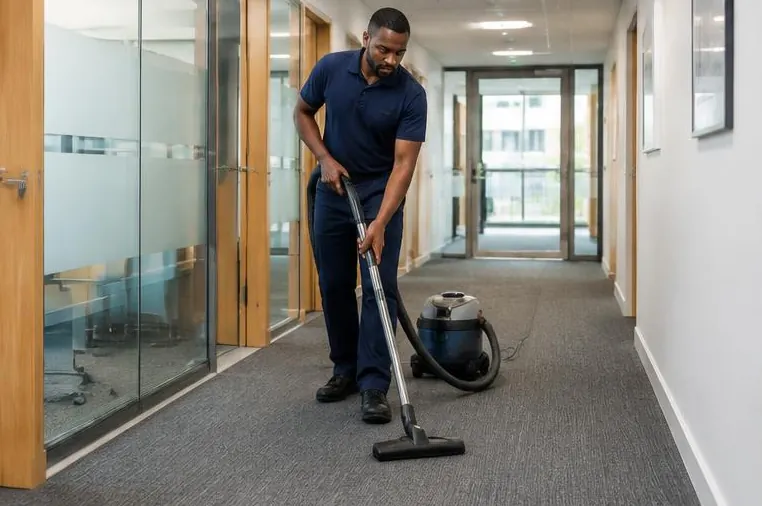
A cleaning contract should identify the areas covered, task frequencies, attendance windows and responsibilities of both parties. Routine work and periodic tasks need separate descriptions so that an occasional deep clean is not mistaken for a daily inclusion. Consumables, waste arrangements and equipment provision should also be clear before the service begins.
The specification should be usable by the people opening the building as well as those approving invoices. A schedule with measurable tasks is more useful than a promise to keep everything spotless, particularly where several teams share responsibility for the same premises.
Typical tasks
- Room or zone schedule with task frequencies
- Named exclusions and separately priced periodic work
- Access, supplies and waste responsibilities
- Agreed arrangements for communicating issues
Free site survey
Discuss your contract specification
Send your site details, current task schedule and proposed start date to discuss a contract scope that can be compared and reviewed.
- Written specification before any price
- Bristol and South Gloucestershire
How are cleaning frequencies and attendance times decided?
The first specification can combine daily, weekly and periodic work without assigning every surface the same frequency. Any changed frequency should be reflected in the agreed scope rather than assumed informally.
- Match washroom tasks to actual daily use
- Schedule noisy equipment away from sensitive activities
- Allow for secure entry and closing procedures
Each visit
Priority rooms and agreed routine tasks
Best forUse the site specification
Periodic
Detail work outside routine attendance
Best forSet frequency and access separately
Review point
Check scope against current building use
Best forAgree any changes in writing
Compare in a table
| Window or zone | Focus | Planning point |
|---|---|---|
| Each visit | Priority rooms and agreed routine tasks | Use the site specification |
| Periodic | Detail work outside routine attendance | Set frequency and access separately |
| Review point | Check scope against current building use | Agree any changes in writing |
How should cleaning quality and site safety be reviewed?
Quality reviews should compare completed work with the agreed specification, noting both missed tasks and obstacles outside the cleaner’s control. Agree who conducts reviews, how concerns are raised and what records are needed. Cleaning methods should reflect surface care requirements, chemical risks and safe movement around occupied areas rather than relying on appearance alone.
Discuss the proposed contact or account management arrangements before signing; do not assume a particular staffing structure or audit frequency. Agree actions and a review date so that an issue is tracked instead of repeatedly appearing on an unchecked list.
- Use task-based checks rather than vague scores
- Record access problems and restricted surfaces
- Agree escalation and review responsibilities

What needs planning when changing cleaning providers?
A provider change needs a practical handover covering keys, alarms, equipment ownership, supplies and continuity of essential tasks. Where employees may be affected, assess whether TUPE applies with appropriate employment advice. TUPE is not universal, and staffing obligations should not be guessed from the size or apparent simplicity of the cleaning contract.
Allow time to exchange relevant information through suitable channels and establish who is authorised to make decisions. An attractive start date is not a substitute for a workable and legally informed transition plan.
Review existing notice and handover requirements
Assess possible TUPE implications with advisers
Confirm key custody and equipment ownership
Agree induction and first-visit priorities
What determines the price and length of a cleaning contract?
Commercial contract cleaning quotations depend on task time, frequency, site layout, access requirements and any specialist work. Contract length and notice terms should be explicit rather than inferred from a monthly invoice. Compare like-for-like specifications, including whether materials, equipment, consumables and periodic cleaning are included or treated as separate charges in the proposal.
Your quotation
A fixed price after a free survey
- Usable floor area and room complexity
- Frequency, attendance restrictions and task duration
- Materials, equipment and periodic work allowances
How do we arrange contract cleaning?
Setting up contract cleaning means turning a site survey into a specification that both sides can use. We identify tasks and constraints, discuss the resources and attendance pattern, and set out a quotation. Before mobilisation, agree handover responsibilities and review arrangements so the service starts against clear expectations rather than assumptions.
- 1
Survey the operating site
Review occupancy, surfaces and cleaning priorities.
- 2
Write the specification
Distinguish routine tasks from periodic work.
- 3
Compare resources and terms
Assess attendance, materials and proposed obligations.
- 4
Plan the provider transition
Resolve access and seek TUPE advice where relevant.
- 5
Set the review route
Agree contacts, checks and scope-change authorisation.
Contract Cleaning questions
Straight answers to the questions we hear most often. If yours is not here, ask us during your free survey.
Can one contract cover premises in different sectors?
A single commercial arrangement can use different site specifications rather than imposing an identical checklist everywhere. Offices, public venues and operational premises have different access, surface and hygiene requirements. Sector-specific restrictions still need assessment before any site is added.
Does TUPE always apply when a cleaning supplier changes?
No. TUPE may apply to a service provision change, but the position depends on the circumstances and should be assessed with appropriate employment advice. Allow enough time for relevant information and any required consultation before agreeing the operational handover date.
Is there a standard minimum contract term?
There is no single term that should be assumed for every proposal. Discuss the proposed duration, notice arrangements, review points and termination provisions before signing. Check how changes in building use, attendance requirements or service scope would be handled during the term.
How should a missed task or cleaning concern be raised?
Use the reporting route agreed for the site, identifying the room, task and date rather than reporting only that cleaning was poor. Agree who can authorise corrective work and how actions are recorded, so repeated concerns can be reviewed against the same evidence.
Can a contract include periodic specialist work?
Periodic work can be listed separately from routine attendance, with its own method, frequency and access requirements. Establish whether the proposal includes these visits or prices them separately, and check what preparation or downtime each task requires from the site.
What information helps compare in-house and contracted cleaning?
Compare the same tasks, attendance hours, equipment, materials and management responsibilities on both sides. A clear specification makes the comparison more useful and exposes duties that might otherwise be omitted from either option.
Related services

Turn your cleaning requirements into a clear specification
Send your site details, current task schedule and proposed start date to discuss a contract scope that can be compared and reviewed.