Commercial Carpet & Upholstery Cleaning in Bristol
We provide commercial carpet and upholstery cleaning for various sized businesses across Bristol. We plan around your needs and working hours, covering office carpet tiles to reception seating.
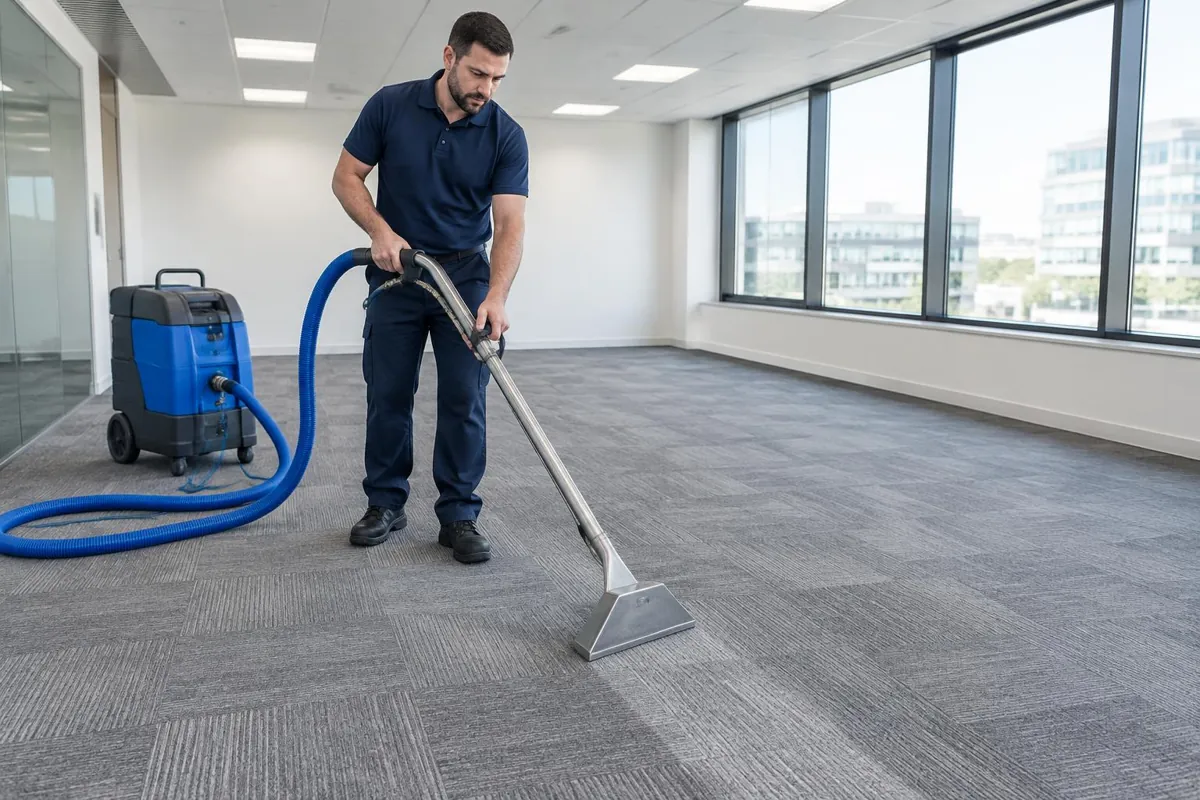
Our Carpet & Upholstery Cleaning Service
- Textiles
- Commercial carpets and assessed upholstery
- Method
- Selected after fibre and construction checks
- Extraction
- Hot water extraction is not literal steam
- Stains
- Results depend on material and contamination
- Drying
- Conditions and textile construction affect timing
- Furniture
- Movement and protection agreed beforehand
What does commercial carpet cleaning in Bristol include?
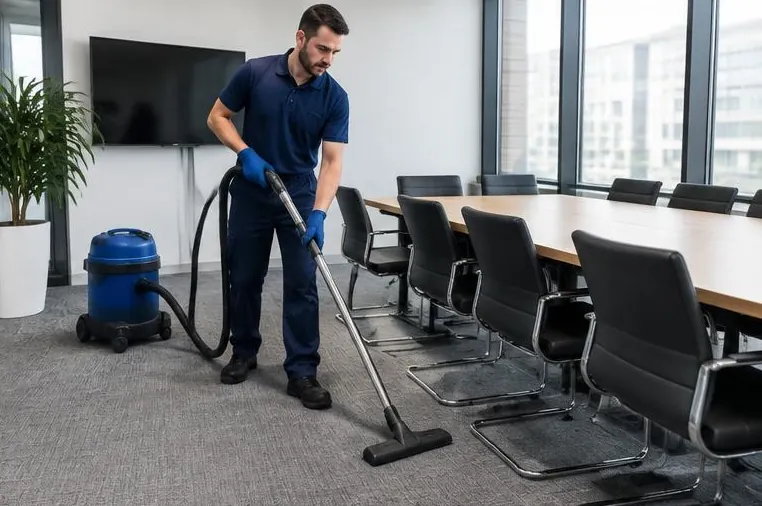
Commercial carpet cleaning in Bristol can include dry vacuuming, attention to traffic lanes, assessed spot treatment and a compatible overall cleaning method. Upholstery needs its own fabric and construction checks rather than being automatically added to the carpet process. List rugs, stairs, loose cushions and chairs separately so the quotation reflects the actual textiles.
Inspect the areas around desks, entrance mats and seating before deciding priorities. The scope should say which items are included and whether furniture remains in place, moves within the room or is removed beforehand.
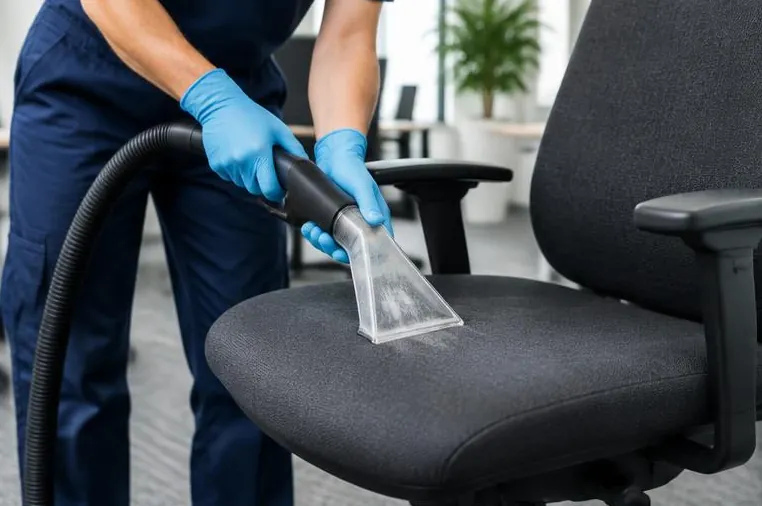
Typical tasks
- Vacuum accessible carpeted areas
- Assess traffic lanes and local spots
- Select a compatible overall method
- Inspect upholstery care information
- Record pre-existing textile damage
Free site survey
Request a textile-cleaning assessment
Tell us about your carpets, seating and available drying window to develop a practical treatment specification.
- Written specification before any price
- Bristol and South Gloucestershire
When can carpets and seating return to use?
An evening visit helps only if the building can maintain suitable conditions afterwards. The planned timetable should allow adjustments if inspection reveals moisture-sensitive materials or a method different from the one originally anticipated.
- Reserve alternative routes and seating
- Discuss ventilation after the visit
- Keep users away from damp transitions
Before attendance
Clear accessible textiles
Best forRemove loose belongings
Cleaning window
Agreed carpet and seating treatment
Best forKeep routes and seats out of use
After treatment
Drying and reopening review
Best forCheck local conditions before use
Compare in a table
| Window or zone | Focus | Planning point |
|---|---|---|
| Before attendance | Clear accessible textiles | Remove loose belongings |
| Cleaning window | Agreed carpet and seating treatment | Keep routes and seats out of use |
| After treatment | Drying and reopening review | Check local conditions before use |
Is hot water extraction the same as steam cleaning?
Hot water extraction is often called steam cleaning, but it does not clean with literal steam. The method applies a suitable cleaning solution and recovers moisture and suspended soil through extraction. Whether it is appropriate depends on fibre, backing, colour stability and construction. Some textiles need lower-moisture treatment or specialist care instead.
Check manufacturer guidance and test where necessary before selecting chemistry or moisture levels. Avoid using the familiar phrase steam cleaning as evidence that one method suits every textile in the building.
- Check fibre and backing information
- Test colour stability where appropriate
- Control moisture rather than saturating
- Match agitation to textile resilience
Can stains, odours and traffic marks be removed?
Stain removal cannot be guaranteed: results depend on the substance, fibre, time elapsed and previous treatment. Some visible marks are permanent dye changes, wear or damage rather than removable soil. Odour work also needs the source assessed; cleaning the surface may not resolve contamination that has reached backing, underlay or furniture filling.
Tell the surveyor what spilled, when it happened and what products have already been applied. A trial can inform expectations, but it does not prove that every similar-looking mark will disappear.
Provide the spill and treatment history
Distinguish wear from removable soil
Assess odour sources beneath the surface
Escalate unusual contamination separately
What information shapes a carpet-cleaning quotation?
A quotation needs carpet area, textile type, furniture density and an account of stains or odours. Upholstery should be counted by item and described by fabric and construction where known. Include access, stairs, working hours and the available drying window. An open room and a densely furnished office require different preparation despite similar measurements.
Your quotation
A fixed price after a free survey
- Measure carpeted areas by room
- Count chairs and other upholstered items
- Identify restricted or delicate textiles
How do we arrange commercial carpet & upholstery cleaning?
Textile cleaning begins with a survey of fibres, construction and existing marks. We then select a suitable method, agree furniture access and plan drying around the building’s use. The final scope should make stain limitations clear and explain who checks treated areas before staff sit down, replace furniture or resume normal circulation.
- 1
Inspect the textiles
Identify fibre, backing, care information and existing damage.
- 2
Assess individual marks
Review spill history, previous products and realistic limitations.
- 3
Select the method
Choose suitable chemistry, moisture and agitation.
- 4
Prepare the rooms
Agree furniture movement, belongings and protected routes.
- 5
Plan the return to use
Review drying conditions and restrictions with the premises contact.
Commercial Carpet & Upholstery Cleaning questions
Straight answers to the questions we hear most often. If yours is not here, ask us during your free survey.
Can office carpet tiles be cleaned without lifting them?
Often the proposed work can take place in situ, but the backing, adhesive condition and manufacturer instructions need checking first. Moisture control matters even when the visible face fibre appears robust and easy to clean.
Do upholstered chairs need the same method as carpet?
No. Chair fabrics, dyes, fillings and internal structures can react differently from floor textiles. List upholstered items separately and avoid assuming that a method appropriate for synthetic carpet will also suit every meeting-room chair.
Will cleaning remove every coffee stain?
Not necessarily. Coffee can leave persistent colour changes, particularly after delay or unsuitable previous treatment. Describe the history accurately and assess the result without expecting guaranteed stain removal from any method.
Should staff vacuum before the visit?
Keep routine housekeeping in place, but ask what preparation the agreed treatment includes. Professional dry-soil removal may still be needed before the main method. Do not apply extra detergents just before attendance, because residues can complicate treatment and obscure the original condition.
Can carpet cleaning solve a recurring damp smell?
Only if the relevant source is within the suitable cleaning scope. Explain when the odour appears and any water history so cleaning is not mistaken for repair or a wider remediation service.
How should a maintenance programme be chosen?
Use footfall, entrance protection, visible soil and textile care guidance to set the programme. A periodic plan should also allow enough drying time and document any textiles requiring a different method or separate specialist care.
Related services
Give workplace textiles a considered care plan
Tell us about your carpets, seating and available drying window to develop a practical treatment specification.