Cleaning & Facilities Management in Bristol
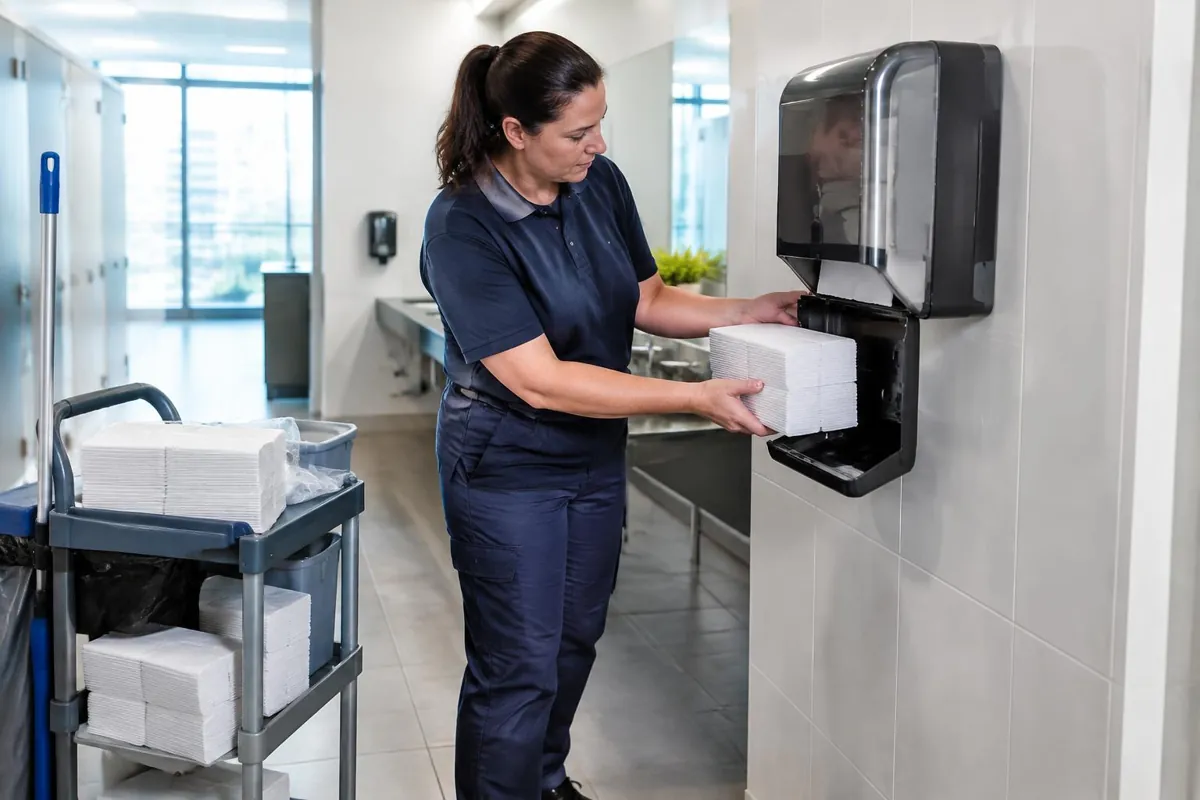
We provide cleaning-led facilities management for various sized businesses across Bristol. We plan around your needs and site routines, covering washroom supplies to waste coordination.
Our Cleaning & Facilities Management Service
- Focus
- Cleaning-led soft-services coordination
- Specification
- Rooms, tasks, frequencies and responsibilities
- Washrooms
- Cleaning separated from specialist hygiene servicing
- Consumables
- Supply and stock duties require agreement
- Waste
- Internal handling distinct from external collection
- Technical services
- Engineering and security remain separate
What does facilities management in Bristol cover in a cleaning-led scope?
Facilities management enquiries in Bristol should first distinguish cleaning coordination from full building management. A cleaning-led specification can organise routine attendance, periodic tasks and communication about washrooms or waste points. It does not by itself include engineering maintenance, guarding, access-control operation or responsibility for every contractor working in the building.
Start with a responsibility map that shows tenant areas, shared spaces and landlord-controlled facilities. A single communication route can help coordination, but it does not remove the need for clear ownership of each service.
Typical tasks
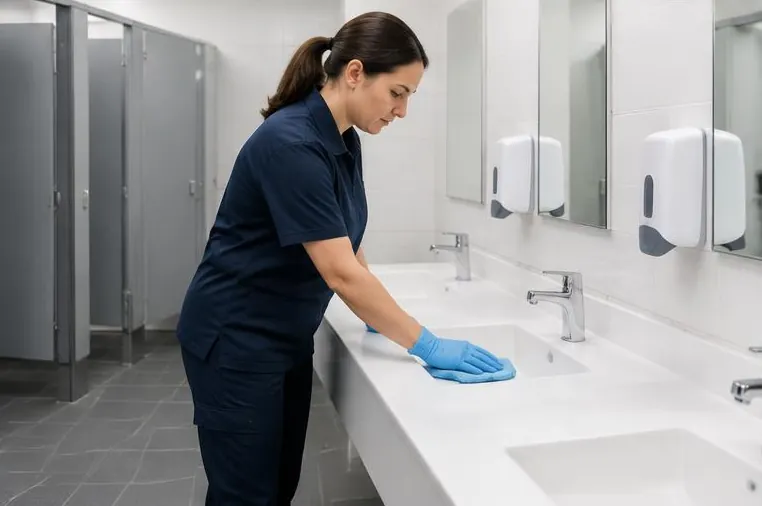
- Routine room and communal-space cleaning
- Periodic tasks with defined booking arrangements
- Washroom inspection and replenishment responsibilities
- Reporting routes for cleaning-related concerns
Free site survey
Plan your soft-services scope
Share your building layout, current service boundaries and occupancy pattern to develop a practical cleaning-led coordination proposal.
- Written specification before any price
- Bristol and South Gloucestershire
How are schedules coordinated across occupied premises?
A calendar should separate the base routine from planned periodic work and exceptional requests.
- Record occupied days and approved hours
- Assign keys and alarm responsibilities
- Plan periodic tasks around room bookings
- Agree authorisation for additional attendance
Routine attendance
Agreed rooms, washrooms and waste points
Best forFit around occupancy and access rules
Planned periodic window
Floors, detailed areas or other agreed tasks
Best forApprove the scope before scheduling
Service review
Records, stock use and changing needs
Best forSeparate cleaning issues from technical defects
Compare in a table
| Window or zone | Focus | Planning point |
|---|---|---|
| Routine attendance | Agreed rooms, washrooms and waste points | Fit around occupancy and access rules |
| Planned periodic window | Floors, detailed areas or other agreed tasks | Approve the scope before scheduling |
| Service review | Records, stock use and changing needs | Separate cleaning issues from technical defects |
How are cleaning methods, washrooms and supplies specified?
Methods should reflect surface materials, hygiene needs and safe product use, supported by a room-based specification. Washroom cleaning and consumables replenishment need separate descriptions of what is supplied, stored and checked. Specialist hygiene units or other serviced equipment require explicit arrangements; routine toilet cleaning does not establish that those services are included.
Inventory controls should identify product compatibility, stock ownership, storage locations and who places orders. For floors and fixtures, retain available manufacturer guidance and identify excluded finishes. Leaking fittings and electrical problems must go to the responsible maintenance contact.
- Define materials and approved care methods
- List soap, tissue and liner responsibilities
- Set stock checks and ordering thresholds
- Keep defect reporting separate from repair

How are waste, incidents and contractor boundaries managed?
Internal bin emptying, moving bags to an agreed store and arranging external collection are different responsibilities. A soft FM discussion must specify which are proposed and who checks lawful waste arrangements. Hazardous waste, sharps, electrical items and confidential material need their own approved routes rather than being added to ordinary rubbish handling.
Create an escalation map for spillages, suspected contamination, overflowing stores and failed collections. The client should retain clear contacts for building safety, security, specialist waste and equipment maintenance where those sit outside the agreement.
Distinguish internal handling from collection
Identify excluded and specialist waste streams
Allocate incident and missed-service contacts
Define who authorises other contractors
What determines a useful soft-services proposal?
A useful proposal sets out the building areas, attendance pattern, task frequencies and management responsibilities before discussing optional additions. Occupancy, washroom use, material finishes and storage all affect the plan. Compare like-for-like specifications rather than assuming that a facilities management heading includes consumables, external collections, specialist hygiene services or technical building maintenance.
Your quotation
A fixed price after a free survey
- Area schedule and expected occupancy
- Visit pattern and periodic task list
- Supplies, storage and third-party boundaries
- Review frequency and variation procedure
How do we arrange cleaning & facilities management?
Building coordination begins with a responsibility map rather than a broad facilities label. The cleaning specification is then matched to occupancy and access, with optional services considered separately. Agree reporting, stock duties and review points before implementation. Changes to attendance or supplier responsibilities should follow a documented decision rather than informal requests passed between occupiers.
- 1
Map responsibilities
Separate occupier, landlord, cleaning and technical contractor duties.
- 2
Build the room schedule
Record surfaces, use patterns and priorities for each area.
- 3
Define supporting arrangements
Agree supplies, internal waste routes and any separately arranged services.
- 4
Set communication rules
Identify authorised requesters, escalation contacts and review records.
- 5
Review building changes
Adjust agreed tasks when occupancy, layouts or service needs change.
Cleaning & Facilities Management questions
Straight answers to the questions we hear most often. If yours is not here, ask us during your free survey.
Is this a full engineering and security facilities contract?
No. Identify existing technical contacts at the outset so cleaning observations can be passed on without suggesting that the cleaning provider has inspected, repaired or accepted responsibility for building systems.
Can washroom supplies be included with cleaning?
Supplies can be considered within the proposal, but nothing should be assumed included until the specification identifies products, quantities and responsibilities. A cleaner topping up an approved dispenser does not mean every washroom product or waste service is supplied automatically.
Who deals with waste collections and missed bins?
The contract should distinguish moving internal waste to a store from arranging collection by an external provider. A shared escalation route is useful, but does not itself transfer waste responsibilities between the parties involved.
Can several tenants use one cleaning specification?
A shared framework can cover common areas, but tenant-specific rooms, access permissions and charging responsibilities still need clarity. The managing party should approve shared responsibilities before work starts rather than relying on informal requests from individual staff.
How should cleaning quality be reviewed?
Use the agreed room and task schedule as the basis for review, with observations recorded against clear frequencies and access conditions. A quality check should not be represented as a statutory inspection or technical assurance of the building.
What happens when occupancy or office layout changes?
Notify the agreed contact before changes take effect where possible. Changes involving equipment, security or building services should also be discussed with the separate responsible technical providers.
Related services

Give every cleaning responsibility a clear owner
Share your building layout, current service boundaries and occupancy pattern to develop a practical cleaning-led coordination proposal.