After Builders Cleaning in Bristol
We provide after builders cleaning for various sized projects across Bristol. We plan around your build schedule and handover date, covering waste clearance to detailed surface care.

Our After Builders Cleaning Service
- Purpose
- Post-refurbishment and fit-out cleaning
- Stages
- Initial clean and later sparkle visit if specified
- Waste
- Assessed separately from surface cleaning
- Dust
- Controlled methods matched to the material
- Readiness
- Trades finished and safe access established
- Handover
- Agreed checklist rather than an undefined standard
What does after builders cleaning in Bristol include?
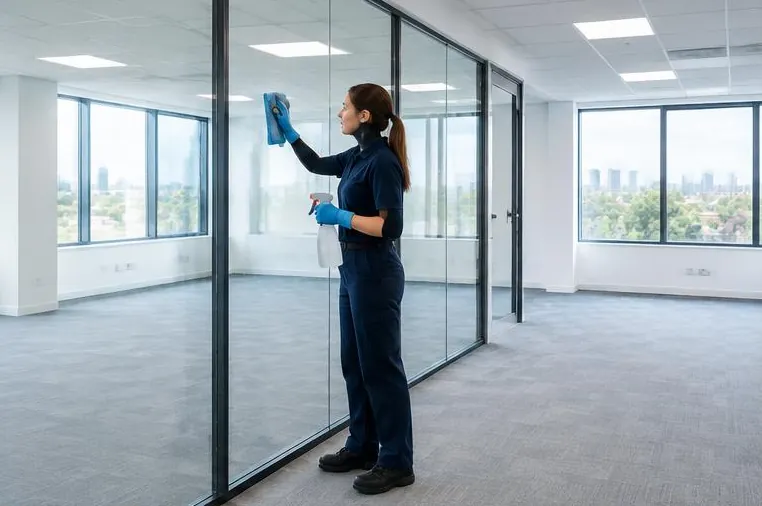
After builders cleaning specifications in Bristol can include accessible ledges, internal glazing, sanitary fittings, joinery exteriors and compatible floors after construction work finishes. The schedule should distinguish loose dust from hardened residues and identify waste that remains. A sparkle visit is a separate final presentation stage, not a substitute for removing construction contamination.
Walk the site room by room before agreeing the checklist. Record chips, scratches and unfinished sealant before cleaning so pre-existing defects are not confused with removable deposits or treated as cleaning failures.
Typical tasks
- Accessible skirtings, sills and door frames
- Empty cupboard interiors where agreed
- Washroom fittings and splashbacks
- Internal glass within assessed reach
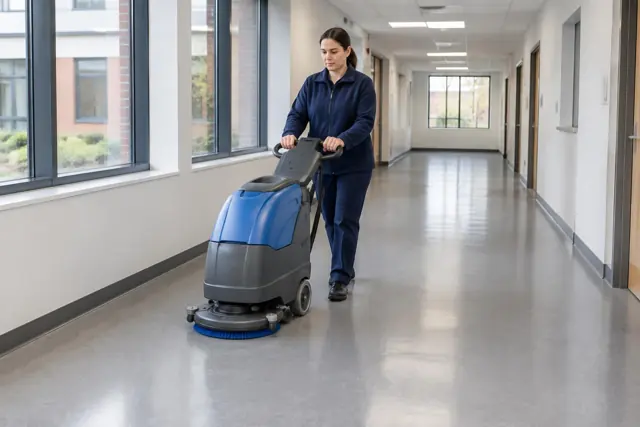
- Compatible floor cleaning after debris removal
Free site survey
Plan a builders-clean survey
Share the site stage, finish schedule and outstanding waste so the cleaning scope can follow the real construction sequence.
- Written specification before any price
- Bristol and South Gloucestershire
When is a construction site ready for cleaners?
A phased handover may suit a larger fit-out, but each zone needs its own readiness check. Risk assessments and method statements should address the actual work, rather than rely on a generic document.
- Release rooms or floors in agreed phases
- Identify the responsible site contact
- Keep active cutting work outside cleaning zones
Site release
Readiness and waste review
Best forBefore equipment enters
Detailed clean
Dust and agreed residues
Best forAfter dust-producing trades finish
Sparkle visit
Final accessible presentation
Best forAfter snagging, if separately agreed
Compare in a table
| Window or zone | Focus | Planning point |
|---|---|---|
| Site release | Readiness and waste review | Before equipment enters |
| Detailed clean | Dust and agreed residues | After dust-producing trades finish |
| Sparkle visit | Final accessible presentation | After snagging, if separately agreed |
How are new finishes and construction dust treated?
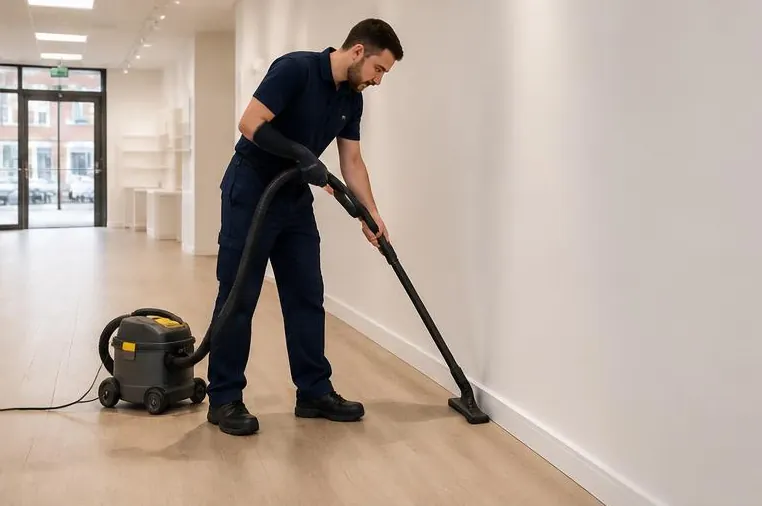
New finishes need manufacturer-led care, particularly freshly laid flooring, coated glass, natural stone and newly painted joinery. Remove loose particles using a suitable controlled method before damp wiping where compatible. Do not assume ordinary vacuum equipment is appropriate for construction dust, or that stronger chemicals will safely remove every deposit.
Dust from concrete, mortar or similar materials may contain respirable crystalline silica. Allow adhesives, coatings and sealants their specified curing periods, and test any proposed residue treatment discreetly before wider use.
- Check care sheets and curing requirements
- Avoid abrasive pads on vulnerable coatings
- Specify suitable dust-control equipment
What happens if waste or hazardous materials remain?
Assess remaining waste before treating the site as ready for a builders clean. Rubble, sharp offcuts, chemical containers and contaminated materials need defined handling and disposal arrangements. Anything outside an ordinary cleaning scope should be referred to the responsible site manager before work continues.
Keep waste responsibilities explicit, including who supplies containers and arranges lawful removal from the premises.
Identify waste types before handling
Separate sharps and unknown residues
Flag anything outside the agreed scope
What information is needed for a builders-clean quotation?
A useful quotation needs the floor area, number of rooms, construction stage, surface types and level of remaining dust or residue. Include access restrictions, waste responsibilities and the intended occupation date. Distinguish a single detailed clean from a staged programme with an additional sparkle visit after furniture delivery or final snagging.
Your quotation
A fixed price after a free survey
- Supply plans and current site photographs
- List retained waste and restricted rooms
- Separate initial and sparkle-clean stages
How do we arrange after builders cleaning?
A builders-clean plan starts with site readiness and the materials left behind. We identify dust and waste boundaries, agree safe methods and divide the work into practical stages. The final checklist should reflect the areas actually released for cleaning, with any remaining defects or excluded hazards recorded separately from completed cleaning tasks.
- 1
Review the handover
Inspect released rooms, remaining trades and access routes.
- 2
Map hazards and waste
Identify dust risks, suspect materials and disposal responsibilities.
- 3
Agree material care
Check finishes, curing periods and any trial treatments.
- 4
Sequence the clean
Set room order and separate any later sparkle visit.
- 5
Inspect the agreed scope
Review cleaned areas and record outstanding non-cleaning issues.
After Builders Cleaning questions
Straight answers to the questions we hear most often. If yours is not here, ask us during your free survey.
Is a sparkle clean the same as a builders clean?
No. A builders clean addresses construction dust and agreed residues after trades finish; a sparkle clean is a later presentation visit. Describe both stages separately when requesting a programme.
Can paint and adhesive marks always be removed?
No. Removal depends on the residue, surface coating, age and previous attempts to clean it. Agree any specialist treatment separately and avoid promising a uniform result across different materials.
Should ventilation equipment be included?
Accessible external grilles may be listed, but internal ductwork and ventilation commissioning are separate responsibilities. Ask the contractor whether filters, protective covers and commissioning checks are complete before allowing a room to be described as ready for occupation.
Can cleaning begin before all snagging is finished?
Sometimes, if finished zones can be isolated from remaining work and the site manager releases them safely. Agree which rooms are available, how trades will avoid them and whether a return visit is required after snagging rather than assuming one attendance covers everything.
Does cleaning include removing protective films?
Only where the scope identifies them and the responsible contractor approves removal. Films on coated glass or delicate panels should not be stripped using an improvised blade or solvent method.
What should the contractor provide before the survey?
Send the room schedule, current photographs, finish specifications and planned handover date, together with known hazards and site entry requirements. This information helps distinguish a safe cleaning brief from work that first needs contractor clearance or specialist assessment.
Related services

Turn the handover programme into a cleaning brief
Share the site stage, finish schedule and outstanding waste so the cleaning scope can follow the real construction sequence.